


1. What a Hair Wig Actually Is
A hair wig is a head covering made from human hair, synthetic fibers, or a blend, designed to replicate natural hair. People use wigs for three main reasons: hair loss, style flexibility, and convenience. Anything else is marketing noise. A good wig should look natural, fit securely, and last long enough to justify its price.
2. Types of Hair Wigs (Know What You’re Buying)
Human Hair Wigs
- Made from real human hair (Remy is the gold standard because cuticles align).
- Pros: Natural look, heat styling, longer lifespan.
- Cons: Expensive, needs real hair maintenance.
Verdict: Best realism, highest cost.
Synthetic Hair Wigs
- Made from engineered fibers.
- Pros: Affordable, holds style, low maintenance.
- Cons: Limited heat styling, shorter lifespan, less natural movement.
Verdict: Budget-friendly and convenient, but visually weaker.
Blend Wigs
- Mix of human and synthetic hair.
- Pros: Balanced price and appearance.
- Cons: Inconsistent quality between brands.
Verdict: Only worth it if you trust the manufacturer.
3. Wig Construction (This Matters More Than Hair Type)
Lace Front Wigs
- Sheer lace at the hairline for a natural front.
- Allows off-the-face styling.
- Needs careful application and trimming.
Full Lace Wigs
- Lace across the entire cap.
- Most versatile styling.
- Fragile and expensive.
Machine-Made / Cap Wigs
- Wefted construction, no lace.
- Durable and cheaper.
- Less realistic hairline.
Bottom line: A mediocre hair fiber with excellent construction beats premium hair with bad construction.
4. How to Choose the Right Wig (Avoid Regret)
Cap Size & Fit
If it doesn’t fit, it doesn’t matter how good it looks. Measure your head. Adjustable straps help, but they’re not magic.
Hair Density
- 130–150% = natural everyday look
- 180%+ = volume-heavy, often unrealistic
More density ≠ better. Overdensity screams “wig.”
Length & Texture
Longer wigs tangle more. Curly wigs need more upkeep. Be honest about how much maintenance you’ll actually do.
Color
Jet black or extreme blond looks fake unless done perfectly. Natural shades with subtle highlights look more real.
5. Styling a Wig Without Ruining It
- Human hair wigs can be heat styled, but use heat protectant and stay under 180°C.
- Synthetic wigs: only heat-friendly fibers tolerate styling tools—check first or you’ll melt it.
- Cut and style on a wig stand, not on your head.
- Avoid excessive products; buildup kills movement.
Hard truth: Most bad-looking wigs are poorly styled, not poorly made.
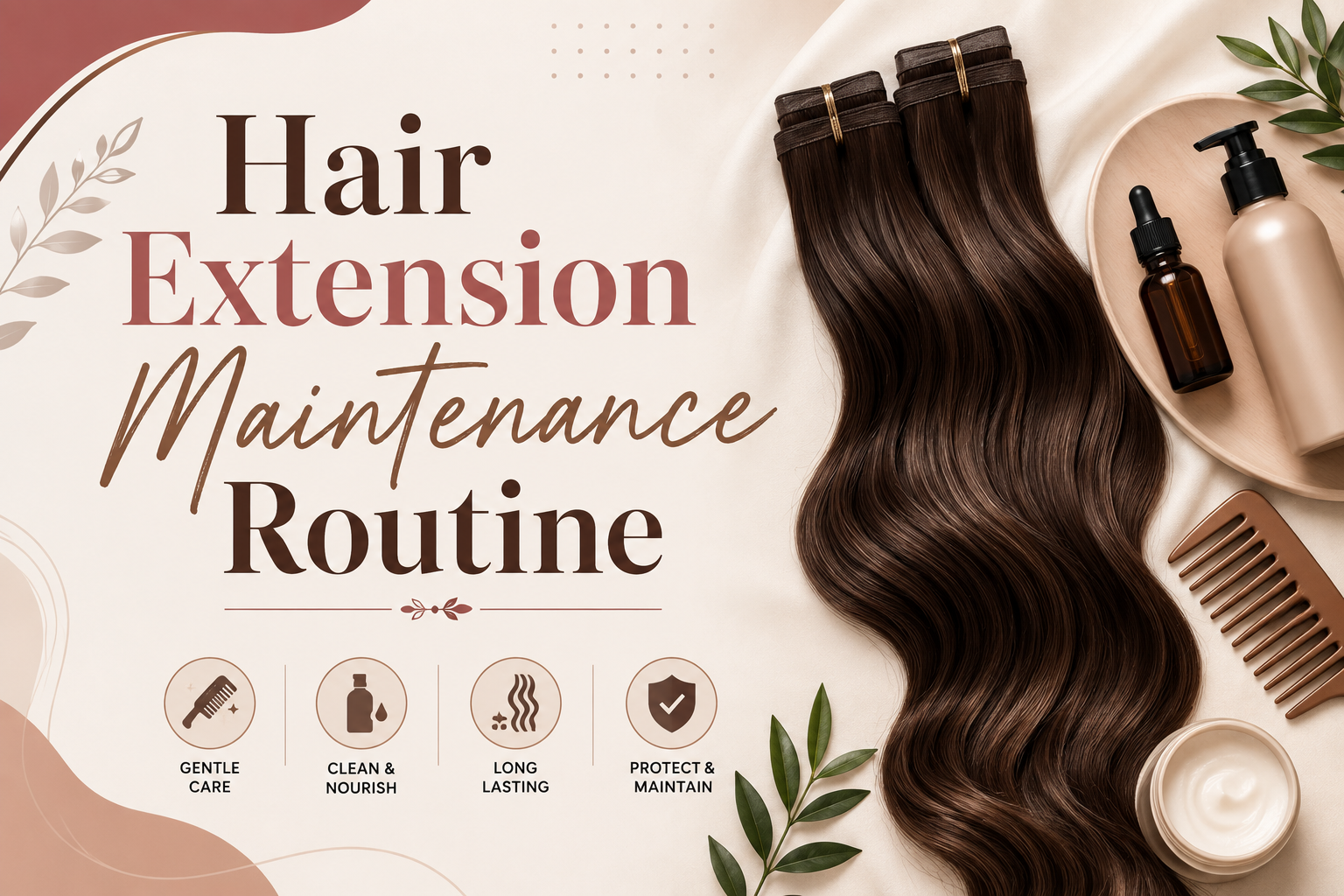
6. Wig Maintenance (Do This or Replace It Early)
Washing
- Human hair: every 10–15 wears
- Synthetic: every 15–20 wears
Use sulfate-free shampoo. No aggressive scrubbing.
Drying
Air-dry only. Heat drying shortens lifespan.
Storage
Store on a wig stand or in a silk bag. Tossing it in a drawer guarantees tangles and deformation.
Longevity Reality Check
- Human hair wig: 1–3 years (with care)
- Synthetic wig: 4–8 months (daily wear)
7. Who Uses Hair Wigs (And Why)
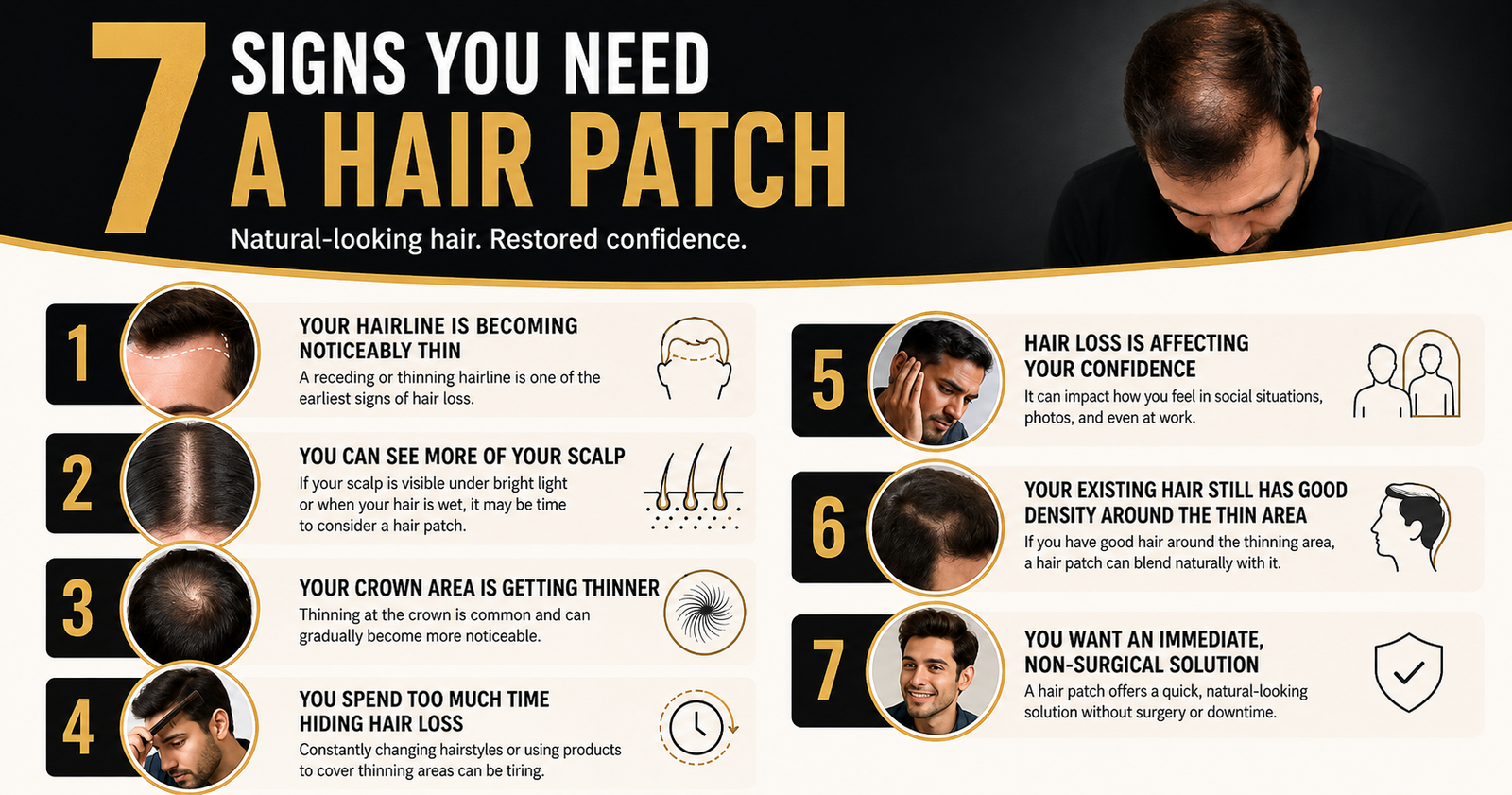
- Medical hair loss (alopecia, chemotherapy): confidence restoration
- Fashion & performance: instant style changes
- Religious or cultural use
- Convenience: zero daily styling
There’s no single “wig user.” The product must match the purpose.
8. Common Mistakes to Avoid
- Buying based on photos only—lighting lies.
- Ignoring cap construction.
- Choosing extreme density or color.
- Skipping customization (cutting the lace, thinning).
- Treating a wig like natural hair without limits.
If you do two or more of these, expect disappointment.
9. Is a Hair Wig Worth It?
Yes—if you buy intentionally. A well-chosen wig saves time, restores confidence, and expands styling options. A rushed purchase wastes money and looks obvious. The difference isn’t luck; it’s understanding materials, construction, and maintenance.
Final takeaway:
Stop chasing hype. Prioritize fit, construction, realistic density, and proper care. Do that, and a hair wig becomes a tool—not a liability.